Choosing a battery for a solar power system is not simply a matter of buying the largest available capacity. The right choice depends on energy demand, sunlight patterns, installation space, climate, budget, and backup expectations. A cabin needing lights after sunset has different requirements from a family home running pumps, refrigerators, and electric vehicles.
So, what is the best battery for solar power systems? In many modern installations, lithium iron phosphate (LiFePO4) batteries offer strong cycle life, useful depth of discharge, stable performance, and compact storage. Lead-acid batteries can still suit smaller projects with limited budgets, although they usually require more maintenance and careful charging. Temperature also matters. A battery stored in a hot garage may age faster than expected, even when its specifications look impressive.
Energy-storage expert Haresh Kamath has stated, “Energy storage is the key to unlocking the full potential of renewable energy.” His point matters because solar panels produce power unevenly, while household demand continues after sunset. A dependable battery bridges that gap. It should also work safely with the inverter, charge controller, monitoring system, and emergency shutoff equipment.
Specifications can mislead.
Look beyond the advertised capacity. Check usable capacity, round-trip efficiency, warranty terms, cycle rating, operating temperature, and replacement support. Real installation experience often exposes details that product brochures miss, including weak monitoring software or difficult service access. No battery wins everywhere. A careful comparison may reveal that the cheapest option becomes expensive after several years. The honest answer is less convenient: the best battery is the one that matches your daily load, local conditions, and long-term expectations.
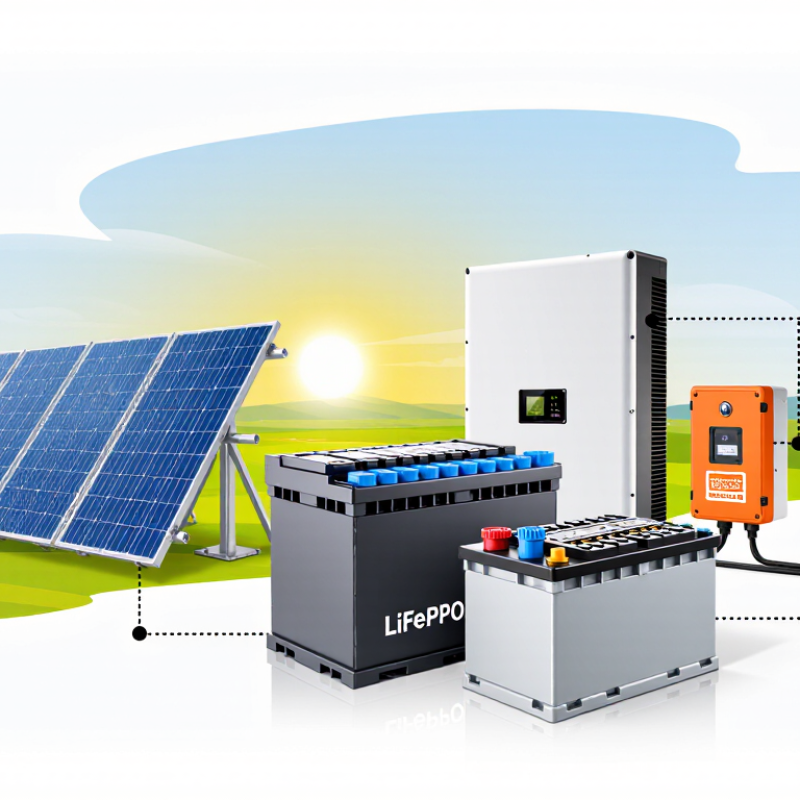
Choosing a battery begins with measuring your solar system’s actual energy needs. Do not rely only on monthly utility bills. Record daily consumption, evening usage, and short power surges from pumps, refrigerators, or workshop tools. Measure the real load.
Multiply average daily energy use by the number of backup days required. A small home may need one day, while an unreliable grid may justify two or three. Then account for battery efficiency and the permitted depth of discharge. For example, storing 10 kWh does not always provide 10 kWh of usable energy. Temperature also matters, especially in unheated garages or outdoor cabinets.
Peak demand needs separate attention. A battery may have enough stored energy but still fail when several appliances start together. Check continuous and surge output ratings against the inverter and household loads. Leave room for future equipment, such as an electric vehicle or heat pump. That estimate can mislead. I once planned around average consumption and underestimated evening heating demand. Reviewing hourly data would have exposed that weakness earlier. Use a full week of measurements when possible, including cloudy days and high-use weekends. A qualified installer should verify the calculations, wiring, ventilation, protection, and local electrical requirements before installation.
Define your solar system’s energy and storage requirements by comparing hourly household demand with solar generation.
This representative daily profile shows approximately 19.5 kWh of household demand and 19.9 kWh of solar generation. Evening consumption from 18:00 to 23:00 is about 7.9 kWh; allowing a 20% reserve suggests approximately 9.5 kWh of usable battery storage. With an 80% depth of discharge, the battery’s nominal capacity would be about 12 kWh. Actual sizing should also account for seasonal sunlight, backup requirements, inverter efficiency, and future energy usage.
Choosing a battery for solar power starts with chemistry, not marketing language. Lithium iron phosphate, or LFP, offers strong thermal stability and long cycle life. Nickel-based lithium batteries can provide higher energy density, but temperature control becomes more important. Lead-acid batteries remain familiar and affordable, yet their usable capacity is often limited by shallower recommended discharge.
Capacity is the number printed on the battery. Usable energy is the number your home can actually receive. A 10 kWh battery with an 80% depth-of-discharge limit provides about 8 kWh before conversion losses. NREL’s 2024 Annual Technology Baseline models approximately 85% round-trip efficiency for many lithium-ion storage systems. That means charging and discharging can reduce delivered energy further. Small details matter.
Compare the daily load, not only the battery size. A home using 6 kWh overnight may need an 8–10 kWh battery, depending on backup targets and reserve settings. The IEA reported that lithium-ion battery pack prices fell 14% in 2023, reaching about 139 dollars per kWh. However, pack price excludes installation, controls, safety equipment, and replacement planning. Lazard’s Levelized Cost of Storage reports also show that lifetime cost depends heavily on cycling frequency and system duration. A neat spreadsheet can still mislead. Real households use more energy during heat waves, and my own estimates would be incomplete without seasonal data.
Choosing a solar battery requires more than comparing stated capacity. In practical installations, usable energy depends on round-trip efficiency and permitted depth of discharge. A 10 kWh battery with 90% efficiency may deliver about 9 kWh after charging losses. Check whether testing reflects your expected temperature and power level. Cold garages and partial loads can change the result. I have seen a system meet its daily target on paper, yet fall short during cloudy evenings. Test conditions matter.
Lifespan should be measured in cycles and calendar years. Ask for cycle-life data at a stated depth of discharge, temperature, and end-of-life capacity. A battery cycled deeply every day faces different wear than one used during outages. Oversizing storage can reduce stress, but it raises upfront cost and unused capacity. Review warranty conditions carefully. They may limit annual throughput, operating temperature, or installation methods. Those details matter more than a headline cycle number.
Safety deserves equal weight. Look for a battery management system that monitors voltage, current, and cell temperature. Thermal protection, over-current control, secure enclosures, and recognized safety testing are important safeguards. Install the unit in a dry, ventilated area, away from heat and flooding, following local electrical rules. Have a qualified installer verify cable sizing, isolation, and emergency shutdown access. I prefer clear fault logs over impressive marketing language. No battery is risk-free. Review performance after the first summer and winter.
Battery voltage must match the inverter’s approved DC input range. A 5 kW inverter draws about 104 amps from a 48-volt battery, before losses. At 24 volts, current rises above 208 amps. That difference affects cable size, heat, fuses, and installation cost. Check the inverter’s continuous current, surge rating, battery chemistry settings, and communication requirements. A battery may have the correct voltage but still fail to operate safely with the inverter.
NREL’s 2024 Annual Technology Baseline uses approximately 85% round-trip efficiency for lithium-ion storage. Real systems can perform worse after temperature, wiring, and conversion losses. Leave practical headroom. Do not size the battery only from its advertised capacity. Review usable capacity, maximum discharge current, depth-of-discharge limits, and warranty conditions. Shorter cables help, but poor terminals can still create dangerous heat.
Installation details matter more than many buyers expect. Confirm wall strength, ventilation, moisture protection, emergency access, and local electrical-code requirements. Lead-acid batteries may require ventilation, while lithium-based systems still need approved enclosures and thermal protection.
The International Energy Agency’s 2024 battery report identifies safety, recycling, and supply-chain resilience as major storage priorities. A field inspection is worthwhile. I have seen otherwise suitable systems delayed by missing disconnects or inadequate clearance. The datasheet rarely shows that inconvenience.
The best battery is not always the cheapest battery. Compare lifetime cost, not only the purchase quote. Calculate usable kilowatt-hours, round-trip efficiency, degradation, installation, controls, and inverter replacement. A site inspection can expose heat, dust, cable losses, or a shaded equipment area. These details quietly increase operating costs.
That figure is a market benchmark, not a complete installed-system price. Lazard’s 2024 Levelized Cost of Storage analysis also shows that utilization and project life strongly influence delivered electricity costs.
Read the fine print. Check capacity retention, cycle or throughput limits, response times, labor coverage, and transfer conditions. Ask whether remote monitoring is included.
Maintenance usually means cleaning terminals, checking ventilation, reviewing temperature alarms, and recording monthly performance. A ten-year warranty can disappoint if usable capacity falls sharply after heavy cycling.
A common planning mistake is assuming every solar surplus should charge the battery. Sometimes exporting power costs less than storing it, especially after efficiency losses and battery wear.
The IEA’s Global Critical Minerals Outlook 2024 estimates recycling could reduce primary supply needs for lithium, nickel, and cobalt by 10% in 2040.
Request documented recycling routes and avoid vague “eco-friendly” claims. Longer service life and moderate temperatures may reduce environmental pressure.
No spreadsheet predicts every outage. That uncertainty should remain visible in the decision.
Confirm the battery voltage fits the inverter’s approved DC input range. Check continuous current, surge rating, chemistry settings, and communication requirements. Voltage alone is not enough.
A 5 kW inverter draws about 104 amps from a 48-volt battery. At 24 volts, current exceeds 208 amps. Higher current needs thicker cables, stronger fuses, and better heat control.
Do not rely only on advertised capacity. Check usable kilowatt-hours, discharge limits, efficiency, and temperature effects. Real systems may provide less than expected.
Lithium-based storage often achieves about 85% round-trip efficiency. Wiring, heat, and conversion losses can reduce that figure. Leave practical headroom.
Check wall strength, ventilation, moisture protection, clearance, and emergency access. Confirm local electrical requirements. Missing disconnects can delay installation.
Clean terminals, inspect ventilation, review temperature alarms, and record monthly performance. Small checks matter. I might still overlook a warning.
Read capacity retention, cycle limits, throughput limits, response times, labor coverage, and transfer conditions. A ten-year warranty may disappoint after heavy cycling.
Not necessarily. Compare usable energy, installation, efficiency, degradation, controls, and replacement costs. A low purchase price can hide expensive losses.
No. Exporting power may cost less than storing it after efficiency losses and battery wear. The best choice depends on tariffs, usage, and battery condition.
Consider mining, transport, replacement, and end-of-life handling. Request documented recycling routes. Longer service life and moderate temperatures may reduce environmental pressure.
Choosing the right battery for a solar power system begins with understanding your household or business energy consumption, backup goals, and preferred storage duration. The best option should provide enough capacity and usable energy to meet demand during nighttime, cloudy weather, or power outages. When comparing batteries, consider their chemistry, efficiency, expected lifespan, depth of discharge, and built-in safety features. These factors affect performance, reliability, and long-term value.
The question “what is the best battery for solar power systems” depends on your specific installation rather than one universal solution. Confirm that the battery’s voltage and communication requirements match your inverter and other system components, and evaluate installation space, ventilation, and professional setup needs. Finally, compare the total cost, maintenance requirements, warranty coverage, recyclability, and environmental impact. A well-matched battery should balance dependable energy storage, safe operation, reasonable lifetime costs, and compatibility with your future solar needs.

Suntherra Battery