China Best Solar Storage Battery How to Choose Capacity?

Time:2026-10-19 Author:Liam
0%

Choosing the best solar storage battery in China starts with a realistic question: how much energy must your home store each day? The answer is rarely found by comparing battery labels alone. Household demand changes with weather, work schedules, appliance use, and backup expectations. A family using 12 kWh daily needs a different system from a small shop using 30 kWh. Measure actual consumption first.

This guide explains how to choose solar storage battery capacity with practical engineering considerations. Battery size should reflect daily energy use, required backup time, usable depth of discharge, system efficiency, and future demand. For example, a 10 kWh battery may provide less than 10 kWh of usable energy after reserve limits and conversion losses. Lithium iron phosphate batteries are widely selected for residential systems because they offer stable performance and long cycle life. Still, product quality, thermal management, warranty terms, and local technical support matter just as much.

Do not size the battery from solar panel capacity alone. That shortcut fails. A 5 kW solar array may produce different energy in winter, summer, cloudy weather, or shaded conditions. Experienced installers usually review twelve months of electricity bills, peak loads, inverter ratings, and planned appliances. They also check whether the battery must support refrigerators, pumps, medical equipment, or only evening consumption. I have seen oversized systems cost more while remaining partly unused. That deserves reflection. A carefully matched battery often delivers better value than the largest available model. Before purchasing, confirm test reports, safety certifications, warranty coverage, installation conditions, and compatibility with the inverter. Reliable capacity planning is not guesswork; it is a balance between data, safety, budget, and future needs.
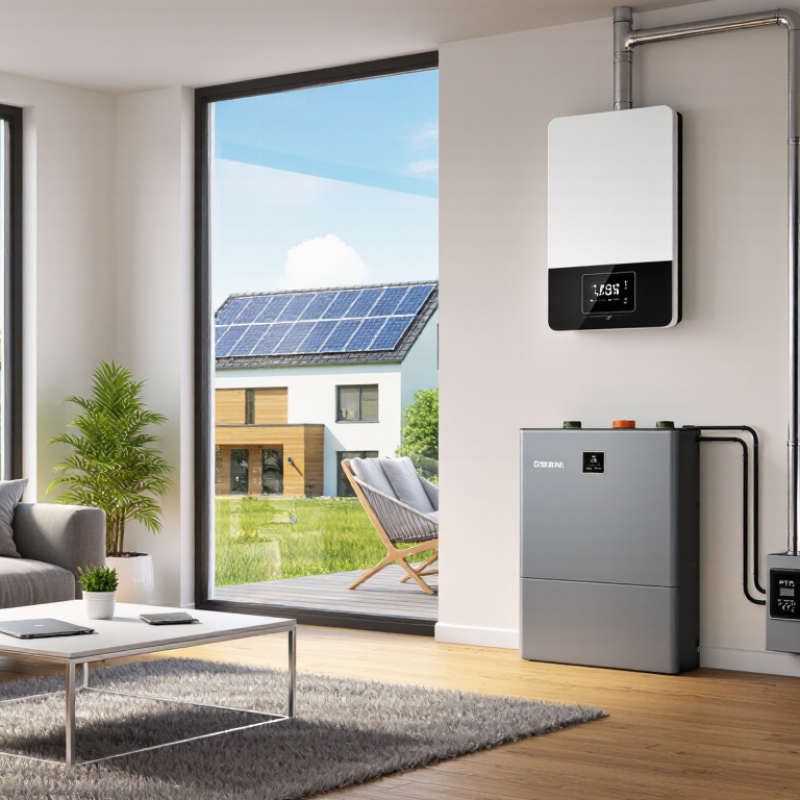
China Best Solar Storage Battery How to Choose Capacity?

What Is a Solar Storage Battery and Why Does Capacity Matter?

A solar storage battery stores electricity generated by solar panels for later use. It can power lights, refrigeration, internet equipment, and other household loads after sunset. During a grid outage, a correctly designed system may keep essential circuits running. However, the battery does not create energy. It only shifts available solar power from one time to another.

Capacity matters because daily electricity demand changes constantly. A home using 8 kilowatt-hours each evening may need more than an 8 kWh battery. Usable capacity is lower than the advertised figure because systems reserve energy for protection. Round-trip efficiency, discharge limits, temperature, and battery aging also reduce available power. A practical estimate should include the evening load, backup duration, and expected solar production during cloudy weather.

Real homes rarely behave like spreadsheets. A kettle, pump, or air conditioner can create a sudden power demand, so energy capacity alone is not enough. The inverter’s output rating must match those short peaks. My first sizing estimate would be too optimistic if it ignored winter sunlight and future battery degradation. Measuring actual consumption for several weeks gives better evidence than guessing from an annual bill. Oversizing can waste money, while undersizing may leave the battery empty before morning. The right capacity balances safety, usable energy, local weather, and realistic household habits.

How to Calculate Your Home or Business Energy Storage Needs

China Best Solar Storage Battery: How to Choose Capacity?

Choosing storage capacity starts with measured energy use, not a guessed battery size. Review twelve months of electricity bills and daily meter readings. A home using 18 kWh daily needs a different system from a workshop using 18 kWh at night. Record major loads separately, including air conditioners, pumps, heaters, refrigerators, and computers.

Calculate usable capacity with this practical formula: daily backup demand × backup days ÷ battery usable-depth percentage ÷ system efficiency. For example, 12 kWh of essential loads for one day may require about 17 kWh of rated capacity. This estimate assumes 90% usable depth and 80% overall efficiency. Check the manufacturer’s technical data carefully. Rated capacity is not the same as available energy.

Power demand also matters. A battery may store enough energy but fail to start a pump or compressor. Add the running watts and startup surge of important equipment. For businesses, examine peak-demand charges, production schedules, and planned outages. A bakery may need reliable morning power, while an office may mainly need evening backup. Solar production changes by season, so compare winter generation with winter consumption. My early estimates were too optimistic because I ignored cloudy days and standby loads. Leave a reasonable reserve, but avoid excessive oversizing. More capacity increases cost, space requirements, and replacement exposure. A qualified installer should verify wiring, ventilation, protection devices, and local electrical requirements before installation.

Which Battery Capacity Matches Your Solar Power System?

Choosing the right battery capacity starts with your solar power system, not the battery catalogue. Record your home’s daily electricity use in kilowatt-hours. Then identify evening loads, such as refrigerators, lights, pumps, and internet equipment. A battery should cover your regular night-time demand without storing excessive unused energy.

Usable capacity matters more than the advertised capacity. Battery losses, reserve settings, and discharge limits reduce available power. For example, a home using 8 kWh overnight may need a 10 kWh battery, depending on system efficiency. One day of backup may suit stable grids. Areas with frequent outages may require two or more days. However, larger storage increases cost and may charge slowly during cloudy weather. My first estimate was too optimistic because I ignored winter production.

Tips: Compare your battery with the inverter’s output and your panels’ generation. Check whether the system can start high-demand appliances, such as water pumps. Ask a qualified installer to review twelve months of electricity bills. Leave space for future loads, but avoid paying for capacity you rarely use. A practical design also considers temperature, installation location, maintenance access, and local electrical requirements. Real household habits can change, so review the estimate after several months of operation.

China Best Solar Storage Battery How to Choose Capacity? - Which Battery Capacity Matches Your Solar Power System?

Indicative battery-sizing guide for residential solar systems based on daily energy production and partial daily energy shifting

Solar System Size Estimated Daily Solar Generation Recommended Nominal Battery Capacity Approximate Usable Battery Energy Suggested Continuous Inverter Power Typical Application
1 kW 3.2 kWh/day 1.8–2.4 kWh 1.6–2.2 kWh 1.0–1.5 kW Small apartment or basic backup loads
2 kW 6.4 kWh/day 3.6–4.8 kWh 3.2–4.3 kWh 2.0–3.0 kW Small household with evening energy use
3 kW 9.6 kWh/day 5.4–7.2 kWh 4.9–6.5 kWh 3.0–4.5 kW Small home or essential-load backup
4 kW 12.8 kWh/day 7.2–9.6 kWh 6.5–8.6 kWh 4.0–6.0 kW Average household with evening appliance use
5 kW 16.0 kWh/day 9.0–12.0 kWh 8.1–10.8 kWh 5.0–7.5 kW Typical home energy shifting and backup
6 kW 19.2 kWh/day 10.8–14.4 kWh 9.7–13.0 kWh 6.0–9.0 kW Medium household with higher evening demand
7 kW 22.4 kWh/day 12.6–16.8 kWh 11.3–15.1 kWh 7.0–10.5 kW Large home or multiple essential circuits
8 kW 25.6 kWh/day 14.4–19.2 kWh 13.0–17.3 kWh 8.0–12.0 kW Large household with substantial evening loads
9 kW 28.8 kWh/day 16.2–21.6 kWh 14.6–19.4 kWh 9.0–13.5 kW High-consumption home or small commercial site
10 kW 32.0 kWh/day 18.0–24.0 kWh 16.2–21.6 kWh 10.0–15.0 kW Large home or small commercial energy system

Calculation basis: Estimated daily solar generation assumes 4 peak sun hours and an overall system efficiency of 80%. Actual production varies with location, season, shading, orientation, temperature, and system losses.

Battery sizing basis: The recommended nominal battery range represents approximately 50%–75% of estimated daily solar generation. Usable energy assumes a 90% maximum depth of discharge.

Important sizing check: Battery capacity should also be verified against the household's actual daily energy consumption, evening load profile, backup duration, maximum appliance power, inverter limits, charge and discharge current, and local weather conditions.

How Do Usage Patterns, Backup Time, and Budget Affect Capacity?

Choosing a solar storage battery starts with real usage, not a guessed household size. List essential loads, such as a refrigerator, lights, router, medical equipment, and a small pump. Record their wattage and daily running hours for at least one week. A refrigerator may cycle quietly, while a pump can create a short but heavy demand. These details change the required capacity.

Backup time also matters. A battery for evening use needs less capacity than one supporting a home through two cloudy days. Multiply essential daily energy by the planned backup days, then allow for inverter losses and the battery’s usable depth of discharge. For example, 6 kWh of essential loads may require more than 12 kWh of installed capacity for two days. More reserve feels safer.

Budget can reshape the decision. A larger battery costs more, requires suitable installation space, and may need stronger electrical protection. If funds are limited, cover essential circuits instead of the whole house. This often gives better value. Avoid sizing only for today. New appliances may appear next year. Yet oversizing is not automatically wise; an oversized battery may remain underused, and its investment may recover slowly. No estimate is perfect. Review seasonal consumption, backup expectations, and local installation requirements with a qualified professional before ordering.

How to Compare China-Made Solar Batteries Beyond Capacity?

Capacity is only the first filter when comparing China-made solar batteries. A 10 kWh label may not provide 10 kWh for daily use. Check usable energy, discharge limits, and reserve settings. Match the battery with your evening load, solar output, and backup expectations. A home using 8 kWh overnight may need more than an 8 kWh battery.

Look beyond the number. Review cycle-life data, round-trip efficiency, and battery management functions. Ask whether test results cover realistic temperatures and partial charging. Thermal control matters in a hot garage. Enclosure protection also matters in humid or dusty locations. Check the destination market’s required safety documents and grid approvals. Independent test reports are more useful than unclear product claims.

Warranty terms deserve careful reading. Confirm the covered cycle count, retained capacity, service response, and replacement process. Installation support can reveal the manufacturer’s real experience. Request wiring diagrams, communication protocols, and fault records before purchase. A battery that works with your inverter today may need firmware support later. I once focused too heavily on capacity and overlooked standby consumption. That mistake reduced the expected savings. Compare the complete system, not just the battery label. Ask difficult questions. Supplier answers should be specific, documented, and consistent.

FAQS

How do I estimate the battery capacity my home needs?

Review twelve months of electricity bills and daily meter readings. Record evening loads, such as refrigerators, lights, pumps, and internet equipment. Use this formula: daily backup demand × backup days ÷ usable depth ÷ system efficiency. A home using 12 kWh may need about 17 kWh of rated capacity. This estimate can be wrong.

What is the difference between rated and usable capacity?

Rated capacity is the battery’s stated total storage. Usable capacity is the energy available after discharge limits, reserve settings, and system losses. A 10 kWh battery may provide less than 10 kWh. Check the technical specifications carefully.

How many backup days should I plan for?

One backup day may suit areas with stable electricity service. Frequent outages may require two or more days. Larger systems cost more and need additional installation space. Do not size storage for rare events without reviewing the added cost.

Can a battery run high-power appliances?

Stored energy and output power are different measurements. A battery may hold enough energy but fail to start a pump or compressor. Check running watts and startup surge for important equipment. Water pumps can demand a sharp startup surge. Starting power matters.

How should I match battery size with solar panels?

Compare the battery with panel generation and inverter output. Winter sunlight may produce much less energy than summer sunlight. A large battery may charge slowly during cloudy weather. My first estimate was too optimistic because I ignored winter production.

Should businesses calculate storage differently from homes?

Yes. Businesses should review peak-demand charges, production schedules, and planned outages. A bakery may need dependable morning power. An office may mainly need evening backup. List major equipment separately, including heaters, computers, pumps, and refrigeration.

Should I leave extra capacity for future electricity use?

Leave reasonable room for future loads, but avoid excessive oversizing. Extra capacity increases cost, space requirements, and replacement exposure. Household habits can change after installation. Review actual usage again after several months. Plans are not perfect.

What installation details affect battery sizing?

Consider temperature, ventilation, maintenance access, wiring, and protection devices. The installation location should provide safe working space and suitable conditions. A qualified installer should verify the design and local electrical requirements. Do not rely on a battery catalogue alone.

Conclusion

Choosing the right solar storage battery capacity is essential for maximizing energy savings, maintaining reliable backup power, and avoiding unnecessary costs. A solar storage battery stores excess electricity generated during the day for use at night or during outages. To understand how to choose solar storage battery capacity, begin by reviewing your daily energy consumption, identifying essential appliances, and estimating how long backup power should last. Your calculation should consider average electricity usage, peak demand, seasonal changes, and the amount of solar energy your system can produce.

The ideal capacity must match both your household or business needs and your solar power system’s output. Usage patterns, desired backup time, available installation space, budget, battery efficiency, usable depth of discharge, and expected service life all influence the final decision. A larger battery is not always better if it remains underused or cannot be fully charged. When comparing China-made solar batteries, look beyond capacity by evaluating safety features, charging performance, warranty terms, monitoring functions, temperature adaptability, expandability, and overall value.

Liam

Liam

Liam is a dedicated marketing professional with a profound expertise in the industry, where he excels at highlighting the unique advantages of our core products. With a keen understanding of market trends and consumer needs, Liam frequently updates our company’s professional blog, providing......