Choosing among China’s top 10 solar battery brands requires more than comparing prices or warranty years. The practical question is simple: how long do solar batteries last under real household conditions?
Most lithium iron phosphate batteries can operate for 10 to 15 years, depending on usage, temperature, charging habits, and installation quality. Some manufacturers advertise 6,000 to 10,000 cycles. That figure sounds impressive, but cycle ratings do not tell the whole story. A battery used heavily every day may age faster than one used occasionally.
Dr. Haresh Kamath, an energy-storage specialist at the Electric Power Research Institute, has said, “There is no one-size-fits-all approach to energy storage.” His observation matters when comparing Chinese brands such as CATL, BYD, Pylontech, Dyness, EVE, GROWATT, AlphaESS, Huawei, Sungrow, and Sofar. Their cells, battery-management systems, cooling designs, and warranty conditions can differ considerably.
Look closely at the details.
A battery installed in a shaded, ventilated garage may perform better than one exposed to intense rooftop heat. Depth of discharge also matters. Regularly draining a battery to zero can shorten its useful life, even when the product remains within warranty.
This guide examines expected service life, cycle performance, warranty coverage, and field reliability. It also questions optimistic claims. Real-world results are never perfectly predictable. Installation quality can quietly decide the outcome. A cheaper battery may work well, but only when its controls, inverter, and maintenance are properly matched.
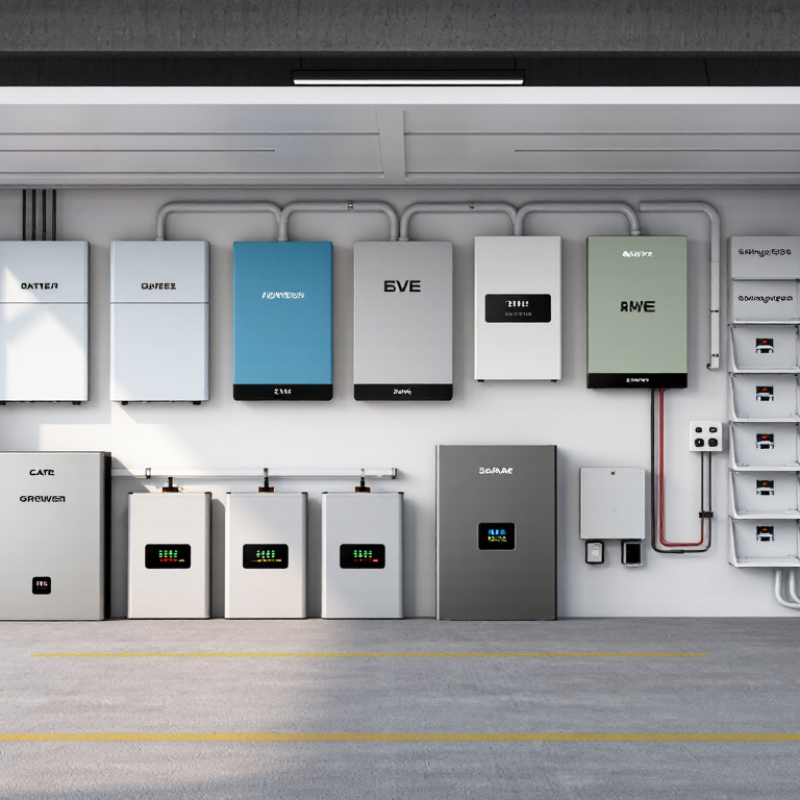
A solar battery brand in China is defined by more than a factory and a product label. It needs control over cell selection, battery management, assembly, and quality checks. Ask how each battery pack is tested before shipment. A clear answer should cover capacity, voltage, temperature limits, and protection against overcharging. Traceable production records matter. So does a service team that can explain faults without hiding behind technical language.
Battery life depends on daily use, not just a number printed on a brochure. A household cycling its battery every evening may see different results from a home with occasional outages. Heat in a garage, deep discharges, and poor charging settings can shorten service life. Check the warranty conditions and whether capacity retention is measured under realistic temperatures and cycling patterns. Independent test reports can add confidence, but they do not replace clear after-sales support. Ask who handles a claim, and how quickly replacement parts are available. Details count.
Still, a long warranty is not proof of long performance. I would want to compare real operating data, though such records are not always easy to obtain. That gap deserves attention.
Brand-independent comparison of typical cycle life by battery technology
Cycle life is one of the most important indicators used to evaluate a solar battery brand in China. Lithium iron phosphate batteries generally provide longer cycle life than lead-acid products, while flow batteries can achieve very high cycling performance. Actual service life depends on depth of discharge, operating temperature, charging practices, maintenance, and warranty conditions.
China’s leading solar battery makers often build around lithium iron phosphate chemistry. It offers stable operation and strong cycle-life potential. Yet chemistry alone does not determine service life. Cell quality, operating temperature, charging limits, and installation all matter. Details matter.
Their core technologies include battery management systems, or BMS, that track voltage, current, and cell temperature. A well-designed BMS can balance cells and reduce damage from overcharging or deep discharge. Some systems also coordinate with solar inverters, adjusting charge rates when rooftop production changes. In practice, compatibility needs checking; a technically advanced battery may still perform poorly with the wrong settings.
Manufacturers use different cell formats and cooling approaches. Prismatic cells can simplify pack layouts, while carefully controlled airflow or heat paths help manage warm conditions. Heat changes everything. Published cycle figures usually rely on specific test conditions, such as a set depth of discharge and room temperature. Real homes rarely match a laboratory. Ask for the test basis, usable capacity, warranty terms, and monitoring data before comparing expected life. A cold garage, frequent full discharges, or weak commissioning can shorten useful service, even when the battery’s core design is sound.
A solar battery’s service life depends on its chemistry, temperature, and daily depth of discharge. Flooded lead-acid batteries often last about three to five years, while sealed AGM batteries commonly reach four to seven years. They cost less upfront, but frequent deep discharges can shorten their useful life. Still, not a promise. A battery cycling every evening in a warm, poorly ventilated shed may age faster than one used lightly in a cool space.
Lithium iron phosphate batteries typically last around 10 to 15 years, often rated for several thousand charge cycles. Lithium nickel manganese cobalt batteries may last roughly eight to 12 years, depending on design and operating conditions. Cycle ratings are useful, but they do not tell the whole story: high heat, prolonged storage at full charge, and repeated near-empty use can reduce capacity. Check the warranty’s retained-capacity figure and cycle conditions, not just its headline lifespan. A simple log of daily energy use can also reveal whether the battery is being worked harder than expected.
Solar battery service life depends on more than the chemistry printed on a specification sheet. NREL’s 2024 Annual Technology Baseline models roughly 15 years for utility-scale lithium-ion storage. Real household systems may last 10–15 years, or about 3,000–6,000 cycles. Usage decides much of that outcome.
Depth of discharge is critical. Draining a battery to 100% every evening creates more stress than using a moderate reserve. A 20% backup reserve can reduce deep cycling, although it lowers usable capacity. Heat is another quiet threat. Sustained temperatures above 30°C accelerate degradation, especially inside poorly ventilated outdoor enclosures. The U.S. Department of Energy’s Energy Storage Handbook identifies temperature, cycling rate, and operating window as major life factors.
Charging habits matter too. Oversized solar arrays can push batteries hard during bright midday hours. Undersized systems may force frequent full discharges. Both designs deserve closer review. Battery management software should limit overcharging, balance cells, and record abnormal temperature changes. Installation quality remains easy to underestimate. Loose connections, moisture, and weak airflow can shorten service life before chemical aging becomes obvious.
Capacity will not remain unchanged. NREL cost projections commonly assume around 85% usable capacity near the end of a 15-year project life, depending on operating conditions. That assumption is not a promise. A cooler climate, shallow daily cycles, and regular inspections can improve results. Poor ventilation can defeat expensive hardware. These details are often missed.
This guide compares common solar battery chemistries and the main factors that influence service life. Lifespan varies by model, operating conditions, and manufacturer specifications; the ranges below are general estimates, not guarantees or rankings of individual brands.
| Battery Chemistry | Typical Cycle-Life Range* | Approximate Calendar Life* | Service-Life Considerations |
|---|---|---|---|
| Lithium iron phosphate (LFP / LiFePO₄) | About 2,000–6,000 cycles | About 8–15 years | Often offers long cycle life and good thermal stability. Actual life depends on cell quality, temperature, charge limits, and depth of discharge. |
| Lithium nickel manganese cobalt oxide (NMC) | About 1,000–4,000 cycles | About 7–15 years | Performance varies substantially by cell design and operating conditions. Follow the battery management system’s temperature and charging limits. |
| Flooded lead-acid | About 500–1,200 cycles | About 3–7 years | Requires suitable ventilation and regular maintenance, including electrolyte-level checks where specified. Repeated deep discharge can shorten life. |
| Absorbent glass mat (AGM) lead-acid | About 500–1,000 cycles | About 3–7 years | Sealed and generally maintenance-free, but sensitive to overcharging, high temperatures, and frequent deep discharge. |
| Gel lead-acid | About 500–1,200 cycles | About 4–8 years | Charging voltage must match the battery specification. Incorrect charging can cause lasting damage. |
| Factor | Why It Matters | Practical Guidance |
|---|---|---|
| 1. Battery chemistry | Different chemistries have different cycle-life characteristics, maintenance needs, and operating limits. | Choose a chemistry suited to the intended daily cycling, climate, and backup requirements. |
| 2. Depth of discharge (DoD) | Using a larger share of capacity during each cycle can reduce the number of cycles a battery delivers. | Respect the usable-capacity limits stated in the product documentation; avoid routinely discharging beyond them. |
| 3. Temperature | High temperatures can accelerate battery aging. Low temperatures can limit charging and available performance, especially for lithium batteries. | Install the battery within its specified temperature range and provide shade, ventilation, or temperature control as required. |
| 4. Charge and discharge rate | Very high current can increase heat and stress cells, potentially reducing life. | Match the inverter and charge controller settings to the battery’s rated continuous and peak current limits. |
| 5. Charging accuracy | Incorrect voltage settings or incomplete charging can impair performance; overcharging can damage some battery types. | Use chemistry-specific settings and compatible charging equipment. Do not apply lead-acid settings to lithium batteries or vice versa. |
| 6. Cycling frequency | Each charge-discharge cycle contributes to gradual wear, although the effect depends on cycle depth and operating conditions. | Size the battery for typical daily energy needs rather than relying on frequent, unusually deep cycles. |
| 7. Time spent at extreme state of charge | Prolonged storage at very high or very low charge can affect aging, depending on chemistry and manufacturer guidance. | For extended storage, follow the specified storage state of charge and check the battery at the recommended intervals. |
| 8. Battery management and protection | Protection against overvoltage, undervoltage, excessive current, and unsafe temperature helps prevent damaging operation. | Use a compatible battery management system (BMS) and keep its firmware and system settings up to date when applicable. |
| 9. Installation and ventilation | Poor installation can cause excess heat, moisture exposure, vibration, or unsafe operating conditions. | Follow the installation manual, use an appropriate enclosure, and provide required clearances and ventilation. |
| 10. Maintenance and system compatibility | Loose connections, corrosion, incorrect settings, or incompatible equipment can reduce performance and contribute to premature failure. | Inspect connections and system alerts periodically; perform only the maintenance specified for the battery type. |
Important: Cycle-life figures are approximate ranges reported across products and test conditions. A cycle-life rating is commonly measured until capacity falls to a defined threshold, often around 80% of initial capacity, but the threshold and test method vary. For a specific battery, consult its datasheet and warranty for the rated cycles, usable capacity, operating temperature, and warranty conditions.
China’s leading solar battery suppliers can advertise similar lifespans, but warranty terms reveal important differences. A ten-year warranty does not mean ten years at original capacity. Check the guaranteed end-of-warranty capacity, often 70–80%, plus cycle limits and annual energy throughput. Also examine depth of discharge, operating temperature, and replacement conditions.
The U.S. Department of Energy’s 2023 Energy Storage Grand Challenge Roadmap identifies lifetime, round-trip efficiency, and safety as separate performance measures. Its long-term benchmark includes a 15-year service life and 90% round-trip efficiency for advanced storage systems. These targets are useful, but household installations may face hotter rooms, irregular charging, and weak maintenance. Real conditions matter.
The IEA’s 2024 Batteries and Secure Energy Transitions report recorded a 130% increase in power-sector battery deployment during 2023. More installations should create better field data, yet operating histories remain uneven. Ask for degradation data from comparable climates, not only laboratory charts. A battery rated for 6,000 cycles may last 16 years with gentle cycling, or much less under daily heat and heavy discharge.
Read the exclusions carefully. A spreadsheet can still mislead. My own comparison would score service response, monitoring quality, usable capacity, and warranty transparency alongside cycle claims. Manufacturers sometimes publish impressive numbers without explaining test conditions. That deserves skepticism.
Reliable suppliers control cell selection, assembly, management systems, and final testing. They should provide traceable production records and clear fault support.
Testing should cover capacity, voltage, temperature limits, and overcharge protection. Ask for test results before shipment. Details matter.
They commonly last three to five years. Frequent deep discharges, high heat, and poor ventilation can shorten that period.
Sealed AGM batteries often last four to seven years. Their service life depends on discharge depth, temperature, and charging settings.
Lithium iron phosphate batteries often last ten to fifteen years. Other lithium types may last about eight to twelve years.
No. A warranty may guarantee only 70% to 80% capacity at its end. Check cycle limits, temperature rules, and replacement conditions.
A hot garage, near-empty cycling, and long storage at full charge can reduce capacity. A cool, ventilated room is usually safer.
Compare usable capacity, efficiency, cycle conditions, service response, and monitoring quality. Laboratory figures may not match daily household use.
Heat and irregular charging affect degradation. Data from a similar climate may be more useful than a perfect laboratory chart.
Yes. Record charging, discharge, and temperature. The log may reveal heavy use, though it will not predict everything.
China’s solar battery market includes manufacturers with a range of designs, production capabilities, and energy-storage technologies. Comparing the country’s leading ten brands involves looking beyond product labels to factors such as battery chemistry, usable capacity, safety features, and system compatibility. The question “how long do solar batteries last” has no single answer: service life varies by battery type, operating conditions, and how often the battery is charged and discharged. Different chemistries can offer different balances of lifespan, cost, and performance, so buyers should assess them in relation to their intended use.
Temperature, charging habits, depth of discharge, installation quality, and maintenance can all influence a battery’s service life. Warranties offer useful guidance, but their terms and coverage do not necessarily predict real-world performance on their own. A well-rounded comparison should consider expected cycle life, warranty conditions, usable energy, efficiency, and performance in the intended environment. These factors help readers make a more informed choice and set realistic expectations for long-term solar storage.

Suntherra Battery