Engineered for extreme cyclical performance, reliable grid stabilization, and comprehensive power assurance.
How macro-grid integration, commercial demand, and industrial load management are redefining battery performance standards.
The global energy landscape is undergoing an unprecedented paradigm shift, transitioning from centralized fossil-fuel generation to highly distributed renewable energy networks. At the heart of this revolution lies the imperative of Battery Energy Storage Systems (BESS). Unregulated grid insertion of solar PV arrays introduces phase imbalances, duck-curve peak load demands, and intermittency challenges. To circumvent these issues, modern infrastructure designs necessitate robust, industrial-grade storage configurations capable of milli-second response times.
As a premier supplier in China's advanced manufacturing corridor, Shenzhen Suntherra Battery Co., Ltd. addresses these challenges by developing cell-to-pack (CTP) configurations that prioritize thermal stability, exceptional cycle economy, and unified digital management interfaces. In utility-scale solar projects, commercial facilities, and remote mining operations, our systems function as dynamic reserves. They actively mitigate voltage sags and support frequency stabilization while maximizing localized self-consumption of clean energy.
Dedicated OEM/ODM partner driving structural and performance engineering in solar battery integration since 2014.
Established in 2014, Shenzhen Suntherra Battery Co., Ltd. has evolved from a targeted research lab into a vertically integrated, international manufacturer of clean energy hardware. Operating a modern facility spanning over 12,000 square meters in Shenzhen, China, our team of more than 180 experts—comprising electrochemical engineers, hardware developers, firmware designers, and QA personnel—delivers reliable energy storage solutions globally.
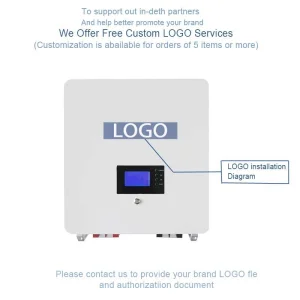
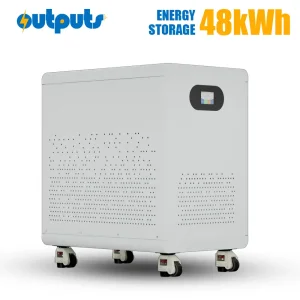
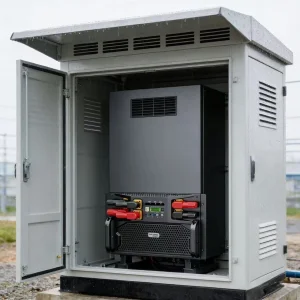
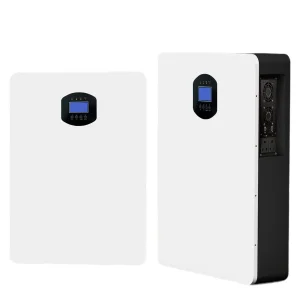
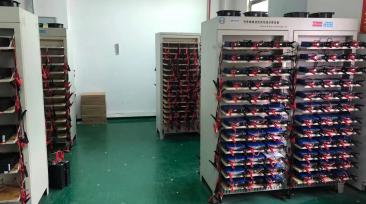
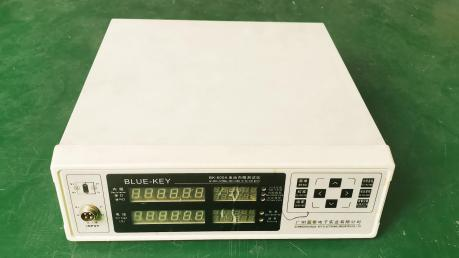
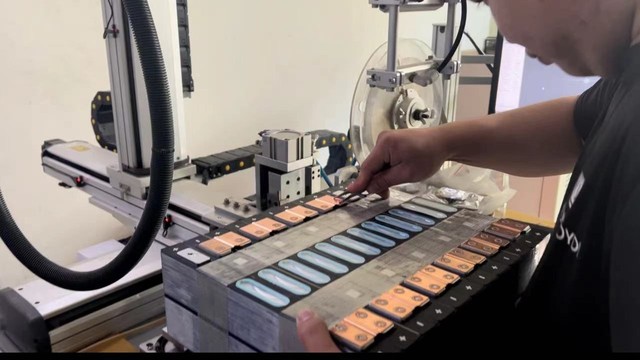
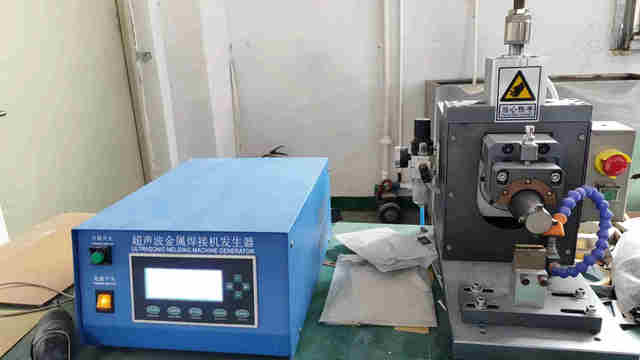
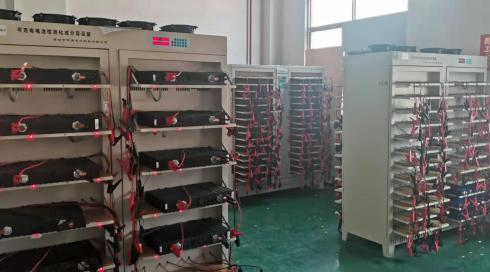
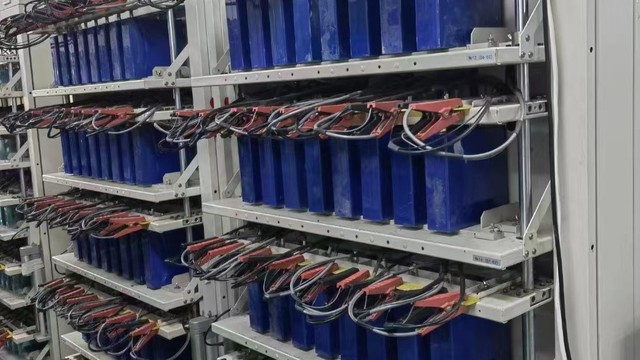
Suntherra utilizes automated cell-sorting, micro-resistance testing, and high-frequency laser welding lines to maintain batch consistency. Every battery pack undergoes automated aging cycles under controlled temperatures to ensure stable performance. Whether developing residential wall-mounted batteries, stackable high-voltage systems, or containerized utility-scale storage units, we prioritize durability and system safety.
Our flexible OEM/ODM pipeline offers extensive customization. This includes custom structural dimensions, custom BMS firmware integration, proprietary communication protocols (CANbus, RS485, Modbus), and custom sheet metal enclosure designs. These solutions are engineered to withstand diverse environmental conditions, from high-humidity coastal zones to high-altitude installations.
Key parameters for project developers, EPC firms, and distributors when auditing energy storage suppliers.
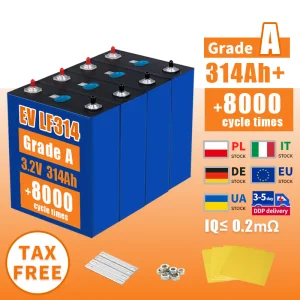
Industrial procurement focuses beyond initial capital expenditure (CAPEX) to analyze Levelized Cost of Storage (LCOS). This includes degradation rates, round-trip efficiency (RTE > 92%), operational maintenance costs, and cycle longevity. Suntherra's LiFePO4 cells are optimized to offer low cost-per-cycle values over a 10-to-15-year operational lifespan.
Mitigating thermal runaway risk is a critical priority for commercial and industrial (C&I) projects. Our designs feature structural cell barriers, passive propagation prevention materials, and active aerosol fire suppression systems. These measures align with UL9540A testing protocols to safeguard capital equipment.
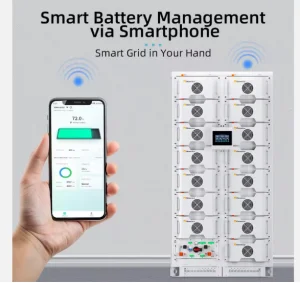
Integration with hybrid inverters (such as Deye, Growatt, Victron, and SMA) requires reliable protocol mapping. Our custom-programmed Battery Management Systems feature auto-recognition and dual-active communication lines. This configuration enables seamless commissioning and real-time cloud diagnostics.
Comparative analysis of chemistry options, thermal management systems, and smart grid coordination interfaces.
| Battery Type / Technology | Cycle Life (80% DoD) | Energy Density | Operating Temp Range | Typical Application Scenarios |
|---|---|---|---|---|
| LiFePO4 (Lithium Iron Phosphate) | 6,000+ Cycles | 140 - 170 Wh/kg | -20°C to +55°C | Residential ESS, High-capacity Commercial storage, Hybrid grids. |
| Lead-Carbon (Super-Capacitor Hybrid) | 3,000+ Cycles | 40 - 65 Wh/kg | -30°C to +60°C | Wind-energy storage, extreme environmental backup, telecom towers. |
| Deep-Cycle Gel / AGM Rechargeable | 800 - 1,500 Cycles | 30 - 45 Wh/kg | -15°C to +45°C | Cost-efficient solar systems, UPS backups, light electric mobility. |
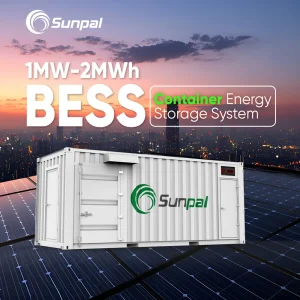
| Liquid Cooling Containerized ESS | 8,000+ Cycles | High Volumetric Density | -30°C to +55°C | Utility-scale peak-shaving, micro-grids, high-voltage C&I sites. |
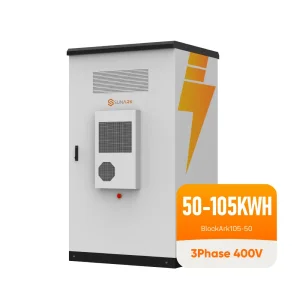
Our high-capacity container units utilize active liquid cooling systems. By circulating ethylene-glycol solutions through custom cold plates, we maintain cell temperature variations within ±2.5°C across the system. This design prevents localized aging and extends system life by up to 25%.
Traditional passive balance systems dissipate excess energy as heat. Our active balance systems relocate current from high-voltage cells to low-voltage cells at currents up to 5A. This architecture improves system capacity utilization and minimizes potential capacity mismatch over the lifetime of the battery.
Our R&D facility actively monitors next-generation solid-state and sodium-ion technologies. Sodium-ion battery packs are designed to offer a cost-effective, cold-weather alternative for low-temperature climates, while solid-state options target high energy density and enhanced safety.
Engineered to support peak-shaving, dynamic micro-grids, and critical emergency backups.
Allows commercial operators to discharge stored solar energy during peak demand windows. This strategy lowers utility demand charges and optimizes daily energy expenditures.
Integrates solar power, generator controls, and storage reserves into a self-sufficient energy network. Designed to keep remote sites, hospitals, and construction zones powered during grid anomalies.
Ensures continuous backup power for telecommunication systems. Engineered to withstand high outdoor temperatures and support high-frequency discharge cycles without system degradation.
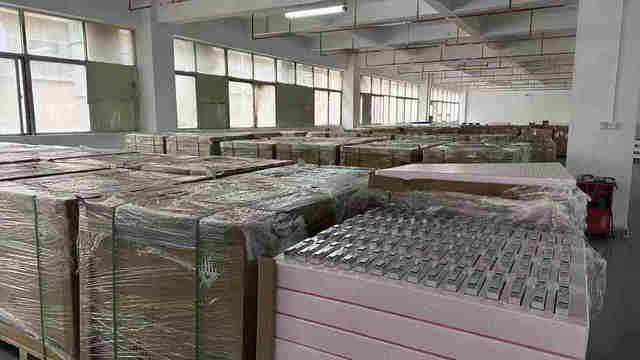
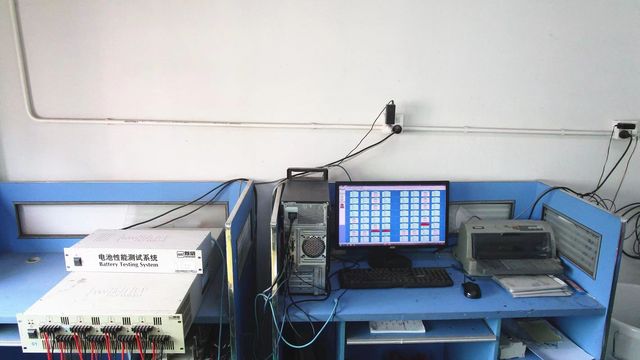
Strict quality control protocols in our 12,000 square meter facility in Shenzhen, China.
Meeting complex global transport requirements and international grid-connection standards.
Our products meet international regulatory compliance standards, including UN38.3 for transport, IEC 62619 for safety, and CE, UL1973, and UL9540A certifications for grid integration.
We operate local warehouses in Europe to provide prompt regional distribution. Our delivery services include DDP options, custom clearances, and door-to-door transit to minimize supply chain delays.
Our engineers provide technical support throughout the system lifecycle. This includes pre-sales grid configuration planning, diagnostic software updates, and warranty management.
Technical answers to key questions from energy procurement professionals and integration engineers.
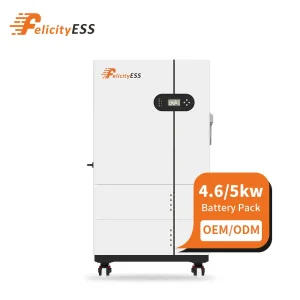
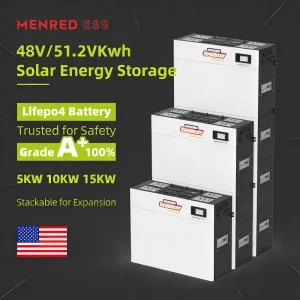
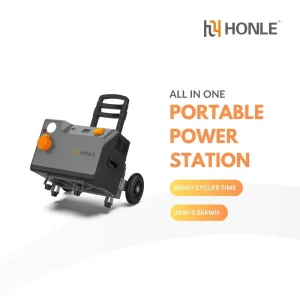
High-voltage systems, portable power stations, and custom cell arrangements designed for global utility networks.
 Suntherra Battery