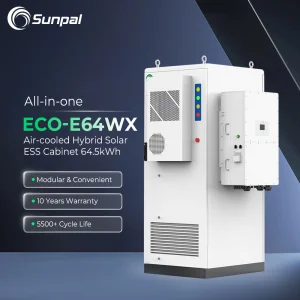
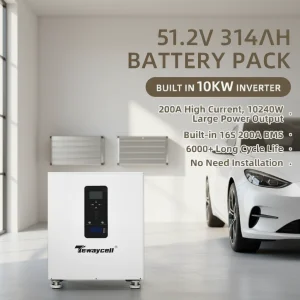
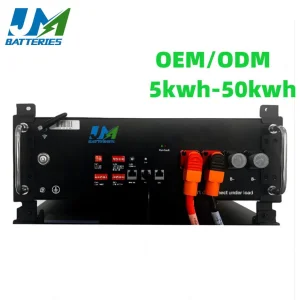
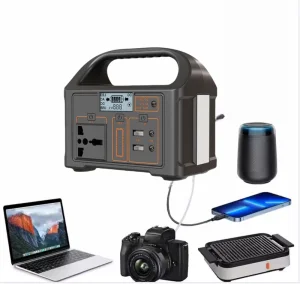
Engineered for high performance, thermal efficiency, and ultimate grid stability. Explore our signature product series below.
Strategic analysis of decarbonization, Levelized Cost of Storage (LCOS), and critical technological shifts in the renewable grid landscape.
As the global energy paradigm pivots decisively toward carbon neutrality, the integration of solar systems with advanced thermal and electrochemical storage buffers has transitioned from a supporting mechanism to a core infrastructure necessity. While traditional Solar Thermal Energy Storage (STES) relies on high-density mediums such as molten salt or phase-change materials (PCM) to buffer solar-thermal solar concentrators, the commercial market has witnessed a powerful convergence.
Modern energy systems increasingly deploy hybrid configurations. These architectures pair the high-efficiency dispatchability of Battery Energy Storage Systems (BESS) with solar PV and microgrid systems. These integrated structures address the inherent intermittency of solar irradiance, ensuring reliable power delivery to critical municipal, industrial, and residential sectors. By mitigating frequency fluctuations and providing critical black-start capability, hybrid storage is transforming the definition of grid reliability.
"According to current industrial forecasts, combining multi-megawatt battery blocks with local thermal buffers can increase overall solar resource utilization by up to 37% compared to non-buffered PV installations, while reducing carbon intensity to near-zero."
A comprehensive blueprint for EPC contractors, project developers, and BESS purchasers looking to secure tier-1 energy storage assets.
Securing energy storage assets from China requires a robust technical verification process. It is no longer just about cost-per-watt-hour ($/Wh); sophisticated global buyers look at the Levelized Cost of Storage (LCOS). This includes shipping costs, cycle life under extreme temperatures, safety diagnostics, and local grid code compliance (such as IEEE 1547 or EN 50549).
| Storage System Classification | Core Battery Chemistry | Target Applications | Crucial Engineering Specifications |
|---|---|---|---|
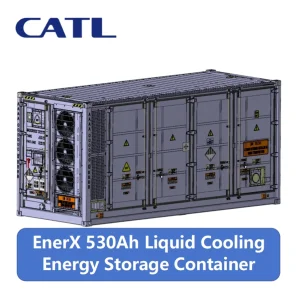
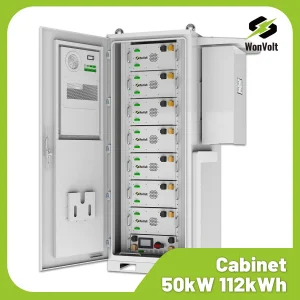
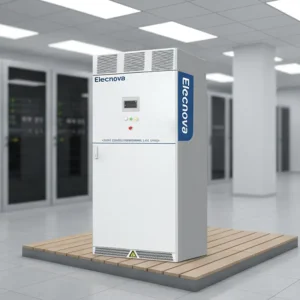
| C&I Containerized BESS | LiFePO4 (LFP) Cells | Peak Shaving, Microgrid, Load Levelling | Liquid cooling, UL 9540A system design, >6000 cycles, 3-phase off-grid capacity |
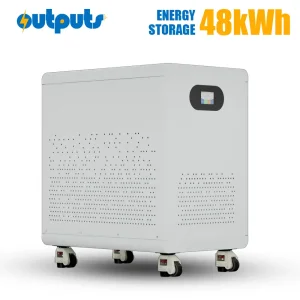
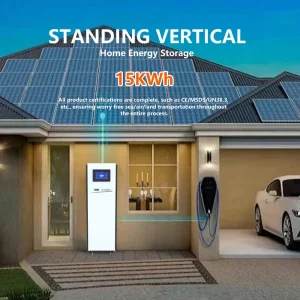
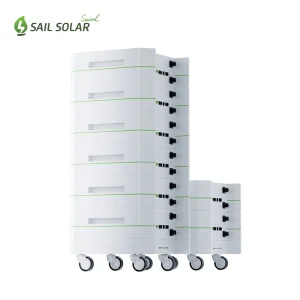
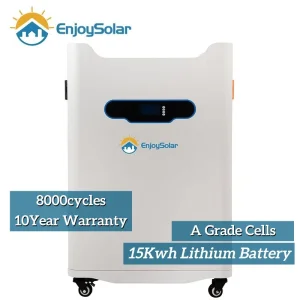
| Residential Stackable Storage | High-Voltage LFP Batteries | Self-consumption optimization, Backup | Modular expandability, plug-and-play connections, integrated low-draw BMS |
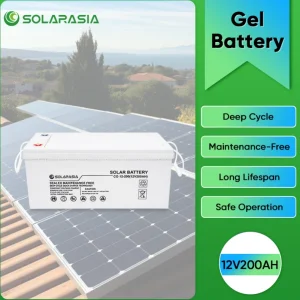
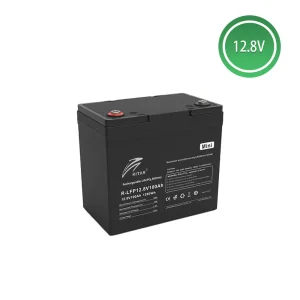
| Solar Deep-Cycle Backup | AGM / Gel Deep Cycle | Telecom towers, Off-grid stations | Zero maintenance, low self-discharge rate, high tolerance for partial state of charge (PSOC) |
| Portable Solar Generators | LFP Cell Assemblies | Outdoor operations, Emergency response | Integrated MPPT, fast charging, pure sine-wave AC outputs, lightweight casing |
When evaluating suppliers in China, buyers must demand full documentation for:
A premier OEM/ODM manufacturer specializing in high-performance solar energy storage batteries and integrated renewable energy systems.
Established in 2014 and located in Shenzhen, China, Shenzhen Suntherra Battery Co., Ltd. has grown into a highly trusted manufacturer, exporter, and project partner focusing on state-of-the-art lithium batteries, deep cycle storage, and advanced solar energy storage technologies. Over the past decade, we have dedicated ourselves to bridging the gap between raw cell technology and site-specific energy demands.
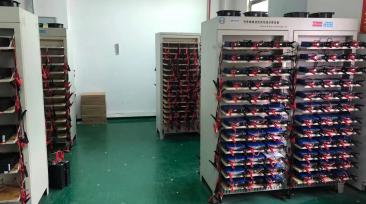
Our modern manufacturing facility covers approximately 12,000 square meters and is equipped with advanced automated assembly lines, high-precision cell sorters, automated laser welding systems, and rigorous environmental testing chambers. Our operation employs more than 180 skilled professionals, including senior battery system engineers, power electronics designers, QA/QC specialists, and a dedicated international logistics support division.
As a custom-focused OEM and ODM supplier, Suntherra offers comprehensive customization capabilities. This includes battery capacity configuration, custom casing, high-voltage BMS programming, structural optimization for harsh environments, and private labeling. Whether it is containerized multi-megawatt systems for remote mining sites or sleek, wall-mounted batteries for residential spaces, we deliver tailored solutions that meet global standards.
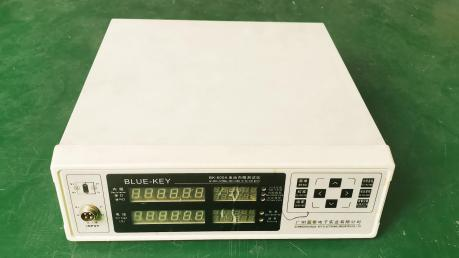
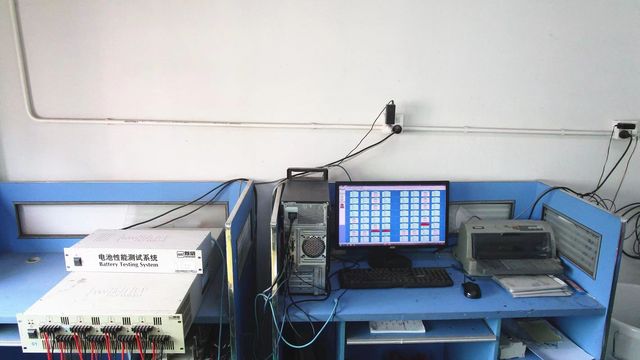
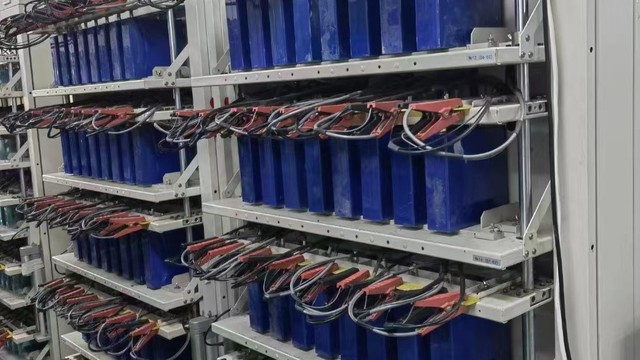
Through strict adherence to ISO 9001 and ISO 14001, we monitor every production step from incoming raw cell screening to final capacity cycle testing. Below is an inside look at our manufacturing facilities, test laboratories, and shipping centers:
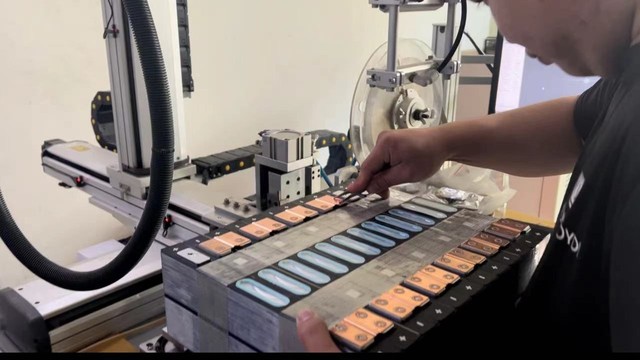
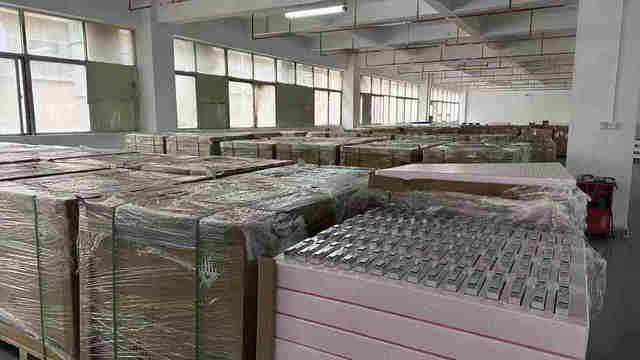
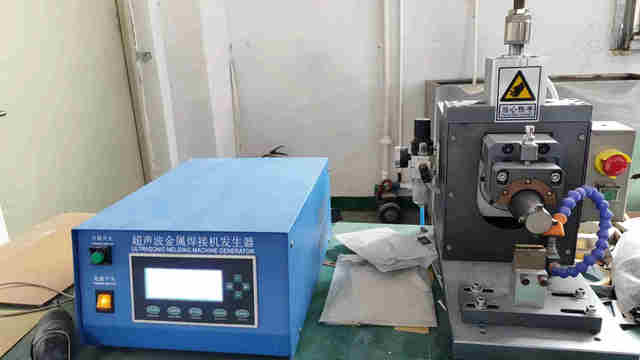
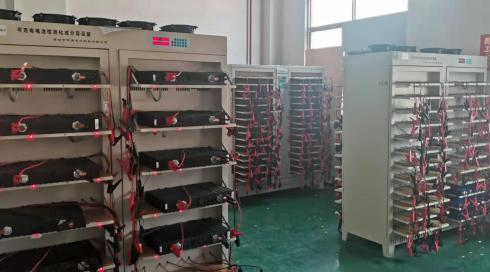
Architecting resilient energy microgrids for remote industries, grid-tied peak shaving, and hybrid solar-thermal stations.
Industrial factories face heavy demand charges during peak utility hours. Our high-voltage modular battery banks store excess energy during low-tariff off-peak hours and discharge during peaks, drastically lowering monthly operational expenses.
Designed for long-run telecommunication masts and off-grid sensor arrays, our modular LiFePO4 batteries feature integrated GPS/Bluetooth tracking, temperature control modules, and standard 19-inch rack frames, ensuring constant uptime in extreme field conditions.
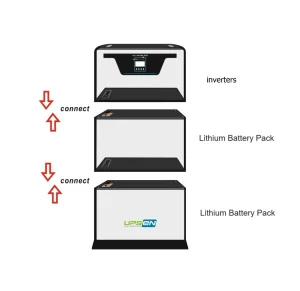
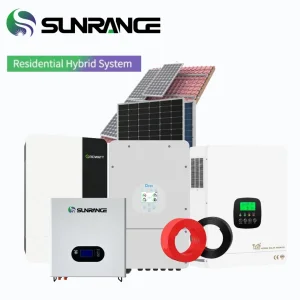
Combining stackable solar batteries with smart home hybrid inverters creates a self-healing microgrid system. This setup achieves 100% self-reliance, provides power during outages, and handles voltage drops without interrupting home life.
Our macro-scale energy solutions do not just store power; they dynamically regulate power quality. By integrating rapid-response power conversion systems (PCS), our installations can react to load spikes within milliseconds. This feature is particularly valuable for industries running precision CNC machinery, medical equipment, and large-scale data facilities.
How we guarantee performance, maintain international standards, and innovate for the next decade of renewable storage.
Transporting and commissioning high-capacity lithium storage products requires strict regulatory clearance. Suntherra ensures that every export series complies with the regulations of target markets:
As technology advances, Suntherra is moving from air-cooled systems toward liquid-cooling blocks for installations over 100kWh. Liquid cooling ensures cell-to-cell temperature variations stay within 2°C, extending overall battery lifespans by up to 25%.
Looking to the future, our R&D department is testing semi-solid-state lithium cells. These cells promise higher energy densities and even greater safety profiles by eliminating liquid electrolytes.
Get answers to common technical, logistics, and integration questions from our engineering department.
What is the advantage of using lithium-based BESS over traditional molten salt solar thermal storage?
Molten salt storage is highly efficient for utility-scale CSP plants but requires large layouts, high temperatures, and constant maintenance. Lithium-based BESS systems are modular, highly scaleable, offer rapid millisecond response times, and can be easily installed on commercial, industrial, or residential sites without geographic restrictions.
What is your typical lead time for custom OEM / ODM bulk orders?
For standard residential battery packs, our production lead time is typically 20-30 days. For custom commercial containers (BESS) or high-capacity system setups requiring custom structural configurations and specialized BMS development, the timeline ranges from 45 to 60 days.
How do you ensure cell balancing and overall safety in high-capacity systems?
Our battery packs feature smart integrated BMS that monitor individual cell voltages, temperature profiles, and state of charge (SoC). Over-charge, over-discharge, over-current, short-circuit, and thermal runaway protection are built in. High-capacity configurations also feature active cell-balancing circuits.
Do your systems work with mainstream hybrid inverters?
Yes, our batteries are designed to integrate seamlessly with major inverter brands, including Deye, Growatt, Solis, Victron Energy, GoodWe, and SMA. We provide pre-programmed communication protocols for plug-and-play installation.
Premium stackable batteries, hybrid power kits, and long-warranty modules from China's leading exporter.
 Suntherra Battery