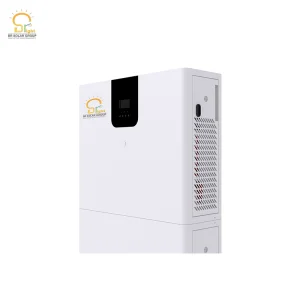
These systems are specifically configured to support Michigan automotive supply chains, factories, and commercial microgrids seeking to avoid DTE's peak demand tariffs.
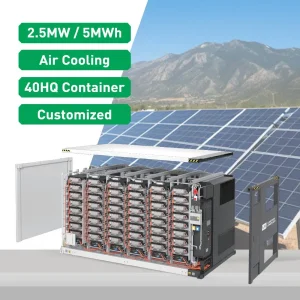
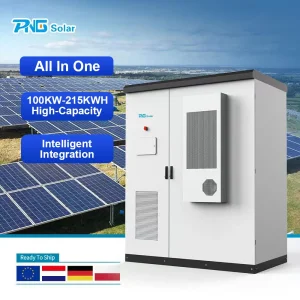
Detroit, Michigan—once characterized purely by the heavy mechanical lines of the automotive sector—is rapidly transforming into a nerve center for clean-energy industrial manufacturing. As EV assembly lines, precision automotive stamping factories, and battery assembly sites expand across Metro Detroit, the demand on the local electrical grid has skyrocketed. Under local utility tariff schedules like DTE’s D11 Rate, industrial entities face severe Peak Demand Charges, where a single 15-minute peak spike can inflate the entire month's utility bill by tens of thousands of dollars.
To secure energy independence and reduce these operational costs, Detroit's engineers and facility managers are increasingly deploying behind-the-meter (BTM) Solar Energy Storage Systems (BESS). However, Michigan’s geographic location introduces unique climate challenges. Temperatures fluctuate from sub-zero, heavy-freeze winters to humid, high-heat summers. A solar industrial battery operating in Detroit must be built to withstand these thermal fluctuations without suffering from lithium plating, reduced cycle lives, or thermal runaway risks.
"We design our BESS platforms with custom-engineered thermal management loops to ensure stable cell operating temperatures, maintaining consistent capacity delivery even when the Detroit winter hits temperatures below 0°F."
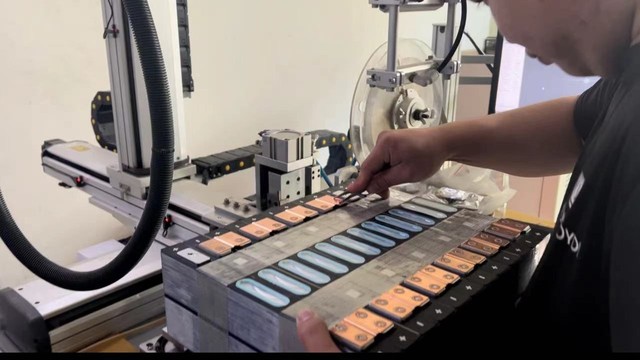
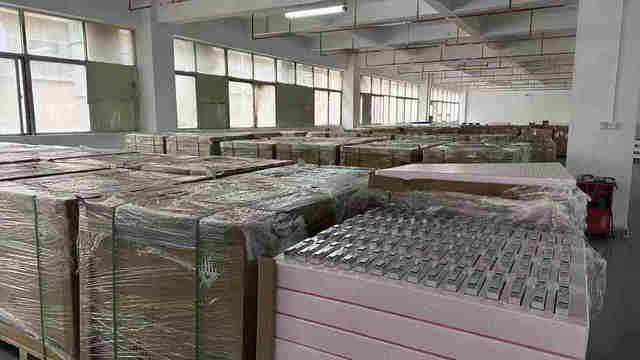
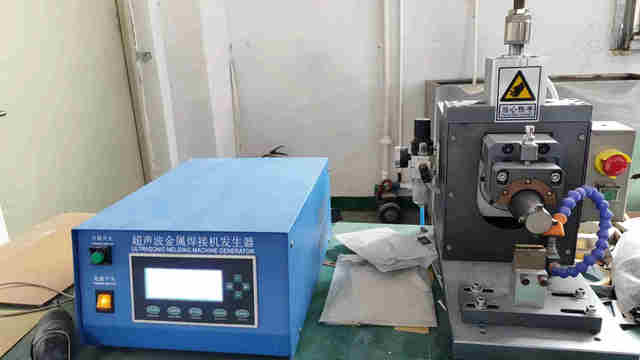
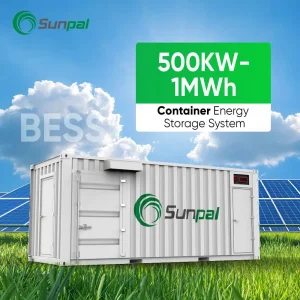
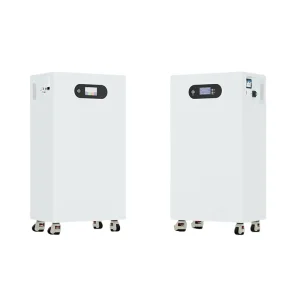
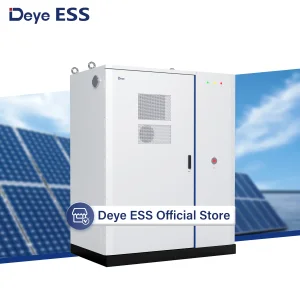
From robust wheeled industrial battery packs to large-scale liquid-cooled containers, these solutions are built to withstand high-impact manufacturing environments.
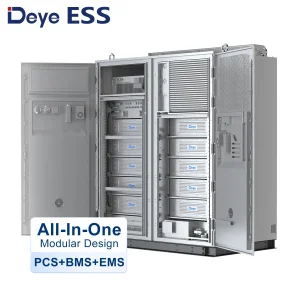
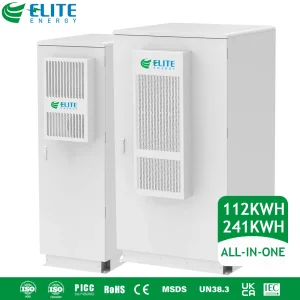
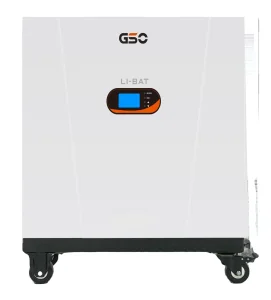
How modern LiFePO4 energy storage systems deliver peak shaving, active frequency regulation, and emergency backup services for manufacturing corridors.
Industrial solar batteries monitor factory load draw in real-time. When total factory demand breaches a pre-defined kW limit, the BESS instantly discharges, keeping the billing demand down and delivering immediate monthly savings.
Detroit experiences cold winters. Below-freezing charging of standard LiFePO4 batteries causes permanent damage. Our systems feature intelligent BMS controls and internal heater loops to keep cells operating at optimal temperatures year-round.
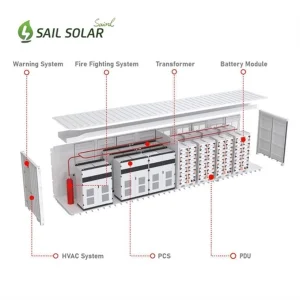
Complying with local codes like NFPA 855 and UL 9540A is crucial for Detroit permitting. We utilize integrated aerosol/gas fire suppression systems and strict physical cell isolation barriers to satisfy local inspectors.
| Thermal Technology | Optimal Ambient Range | Parasitic Load Ratio | Cell Lifecycle (80% DoD) | Compliance Suitability |
|---|---|---|---|---|
| Direct Glycol Liquid Cooling | -30°C to +55°C | < 3.2% (Low Overhead) | 6,500 - 8,000 Cycles | UL 9540A Approved |
| Forced HVAC Air Cooling | -15°C to +40°C | 5.5% - 7.0% (Medium) | 5,000 - 6,000 Cycles | UL 9540 Approved |
| Gel/VRLA Passive Thermal | -20°C to +50°C | 0% (No Active Load) | 2,500 - 3,500 Cycles | Permitted for Specific Sites |
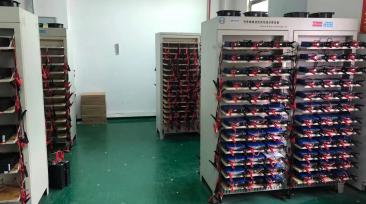
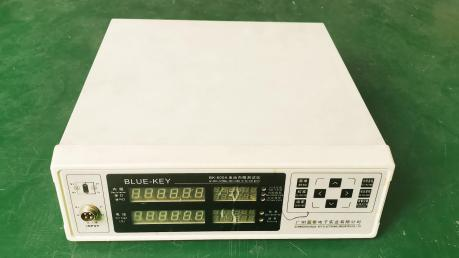
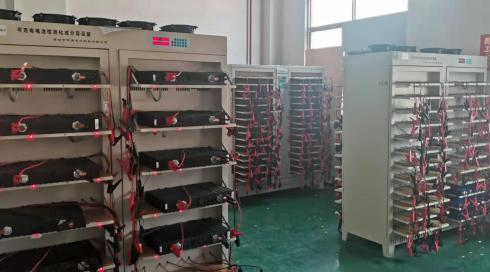
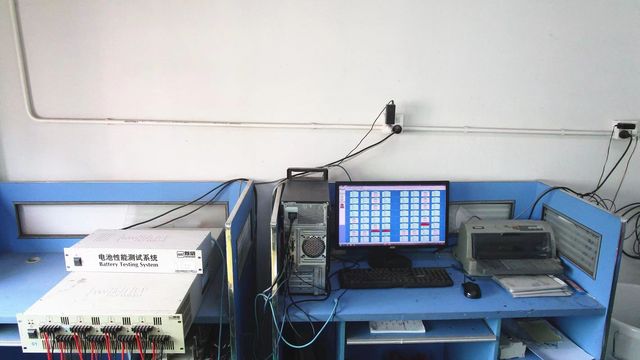
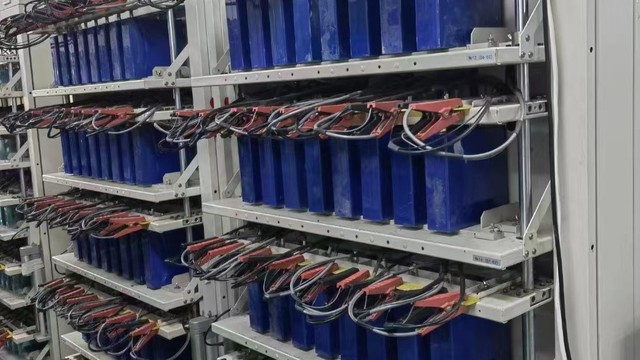
Shenzhen Suntherra Battery Co., Ltd. is a professional manufacturer specializing in solar energy storage batteries and integrated power solutions for global renewable energy markets. Established in 2014 and located in Shenzhen, China, the company has developed into a reliable OEM and ODM supplier focusing on lithium batteries, deep cycle storage systems, and advanced solar energy storage technologies.
Suntherra operates a modern production facility covering approximately 12,000 square meters and employs more than 180 skilled staff members, including battery engineers, R&D specialists, production technicians, quality control inspectors, and international sales professionals. With advanced automated production lines and strict quality assurance systems, the company ensures high performance, safety, and long cycle life for every battery product.
Our main product range includes solar lithium batteries, deep cycle batteries, gel batteries, AGM batteries, off-grid energy storage systems, hybrid solar storage batteries, and high-capacity residential and commercial energy storage solutions. These products are widely used in solar power systems, home energy storage, industrial backup power, telecommunications, and outdoor renewable energy applications.
As an experienced OEM and ODM factory, Shenzhen Suntherra Battery Co., Ltd. provides customized solutions including battery capacity design, BMS (Battery Management System) integration, voltage configuration, structural optimization, branding, and packaging services. We work closely with global distributors, solar system integrators, wholesalers, and energy solution providers. Driven by innovation, safety, and sustainability, Suntherra continues to expand its global presence across Europe, North America, Africa, and Southeast Asia, delivering efficient and reliable solar energy storage solutions for a greener future.
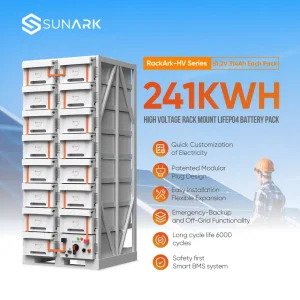
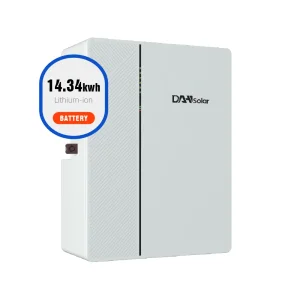
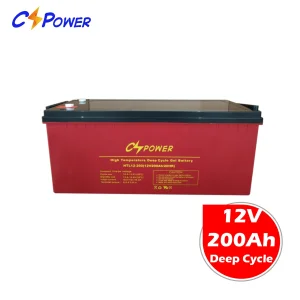
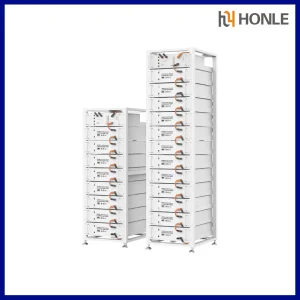
Select from our certified range of high-efficiency lithium packages, smart racks, and heavy-duty gel energy banks engineered for reliable output.
Navigating the installation of large-scale solar batteries in Southeast Michigan requires strict adherence to localized electrical codes, fire prevention standards, and utility guidelines. In Detroit, energy projects are governed by the Michigan Electrical Code (based on the National Electrical Code - NEC Article 706) and municipal fire guidelines which enforce NFPA 855 standardizations for installation limits and thermal isolation distances.
For behind-the-meter systems, our products offer native compliance with UL 1973 (for cell and pack level safety) and UL 9540 (for system level integration). More importantly, our containerized solutions have completed extensive UL 9540A testing, guaranteeing that any thermal runaway event is contained internally, eliminating structural safety risks for adjacent buildings or factory structures. Working in close cooperation with Detroit's project engineers, we provide complete mechanical blueprints, BMS communication profile configurations, and grid connection protocol documentation to accelerate approval processes with the Detroit Building Authority and DTE Energy engineers.
Download Compliance CertificatesTo accurately size an industrial storage system for Peak Shaving, engineers calculate the necessary energy capacity ($E_{BESS}$) using the target peak reduction value:
Expert answers regarding battery storage deployment, performance dynamics, and custom configurations for Michigan industrial environments.
Sub-zero temperatures reduce ion mobility in standard lithium cells, which can trigger lithium plating if charged at normal current rates when freezing. To counteract this, our battery systems incorporate integrated internal heating elements managed by the BMS. The system uses excess solar power or grid power to warm the internal cells above 5°C before initiating the charging cycle, fully protecting the battery from winter degradation.
Deployments must align with the Michigan Electrical Code and local municipal fire department standards. Key safety expectations include compliance with NFPA 855, which specifies spatial separation between BESS enclosures and surrounding properties. Additionally, a system verified through UL 9540A thermal runaway testing is crucial for securing permits, as it validates that internal fires will not propagate beyond the enclosure.
Large industrial tariffs (like D11) charge users based on the peak kW demand recorded during designated on-peak periods. Our integrated BESS continuously tracks the facility's power intake. If the load spikes due to machinery startup or high-draw operations, the battery discharges to absorb the surge. This maintains a flat, controlled grid profile, significantly lowering the monthly demand charge.
Yes. As an OEM and ODM supplier, we customize our Battery Management Systems to integrate with common industrial protocols including Modbus TCP/RTU, CANbus, and Profibus. This ensures seamless plug-and-play communication with existing plant controllers, SCADA systems, and solar inverters.
 Suntherra Battery